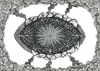
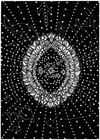
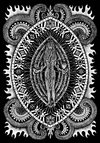
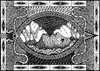
Paper Portal I : As Above , So Below. 2020
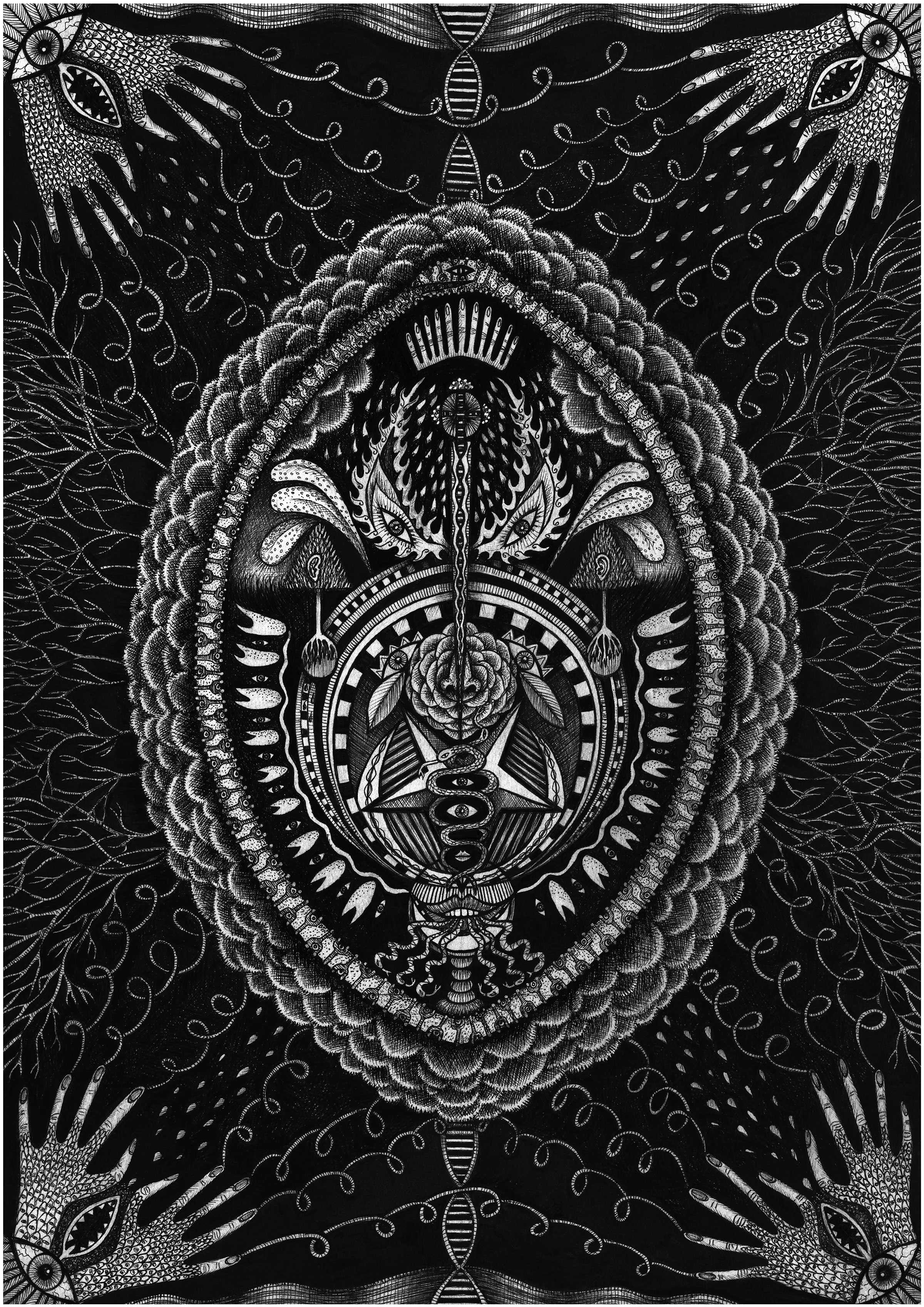
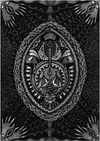
Paper Portal II: As Below, So Above (2020)

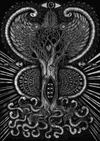
Paper Portal III : Earthworm Root Portal
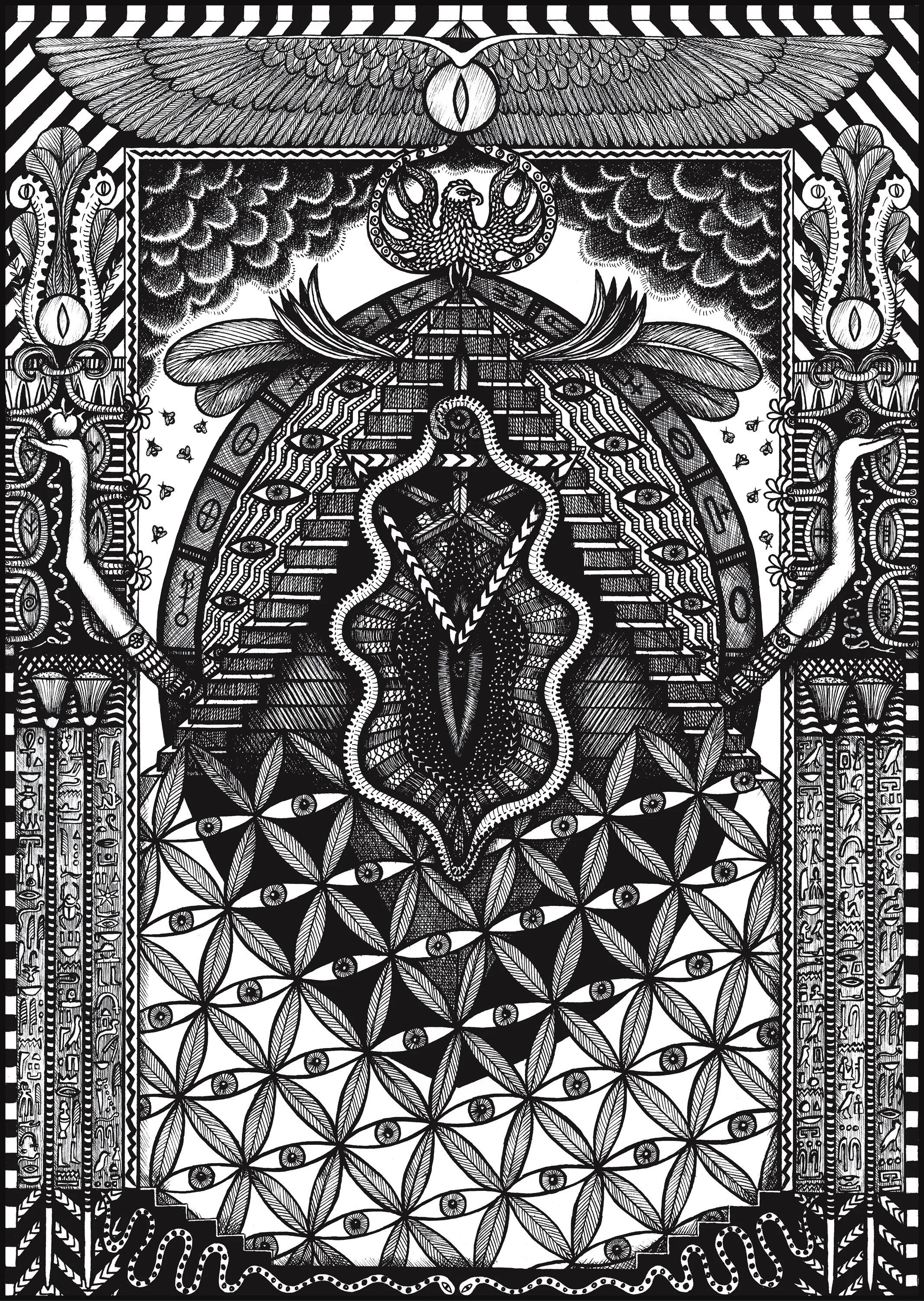
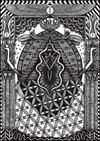
Paper Portal IV: The Holy Mountain and Egyptian Clit Coin

Paper Portal V : Dark Constellations and the Seven Sisters 2021
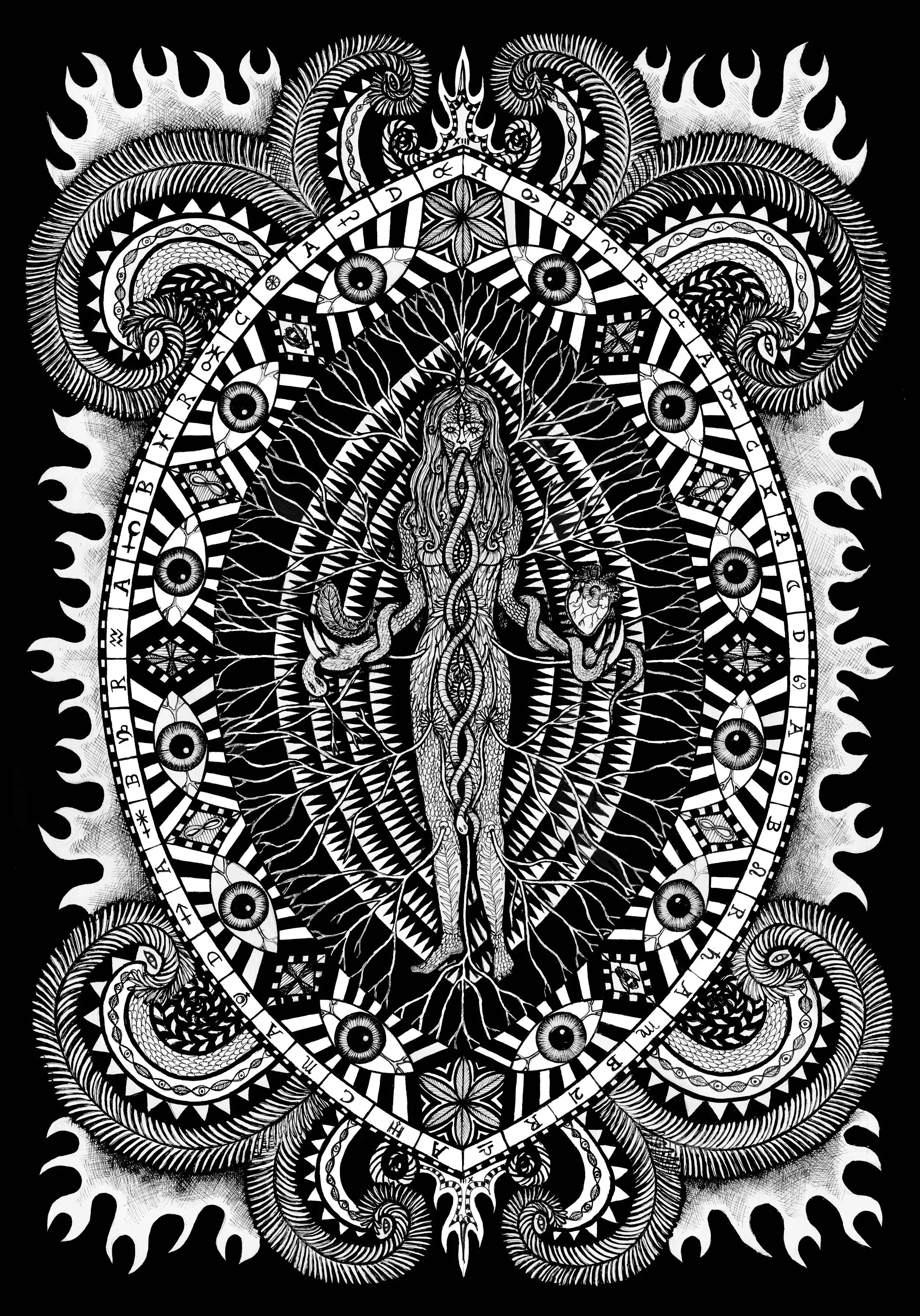
Paper Portal VI : The Zodiac Maiden 2023
Paper Portal I : As Above , So Below. 2020 Drawing upon Athanasius Kircher’s Mundus Subterraneus, “Paper Portal I: As Above, So Below” transforms water from simple substance into mythic passage an elemental boundary and connector at once. The central motif, the Vesica Pisces, channels the sacred geometry underlying springs, rivers, and tides, acting as a portal between worlds much as water itself mediates cycles of purification, migration, and renewal across cultures and epochs. Conceived during the profound global stasis of 2020 and and ongoing series, these intricately inked drawings invite viewers beyond visual contemplation into immersive, ritualistic experience. Each portal pulses with sonic activation, co-created with musician Gil De Ray. The enveloping drone baths, weave frequencies and hand-crafted instruments of spiritual defence -delicate delta waves, ethereal angelic tones, and shimmering quantum pulses into a sensorial vortex. This sonic landscape invites reflection on water’s ambivalent nature: a force at once nurturing and destructive, luminous and mysterious. She calls them “oracle chambers’ inspired by the Greek incubation temples where priests would guide seekers into deep states of dreaming.
Paper Portal II: As Below, So Above (2020)“Paper Portal II: As Below, So Above” reworks Major J. F. C. Fuller’s occult painting The Portal of the Second Order, translating its esoteric charge into a dense, ink-drawn ideogram that fuses hermetic geometry, visionary symbolism, and somatic unease. In Gilbert’s hands, the portal becomes an interior architecture of initiation: the vesica structure crowded with teeth, seeds, tendrils, and radiating forms that oscillate between cellular, astral, and underworld imagery.Activated by an accompanying drone soundscape, the work functions as a dark oracle chamber. The soundtrack built from delta undertones associated with deep sleep and the unconscious, planetary frequencies (Mars, Moon, Saturn), and the crown chakra, thickens the drawing into a mesmeric, oppressive atmosphere.and frames the portal as a psychospiritual descent: a confrontation with shadow, hungry ghosts, and the residue of ritual power.Within Gilbert’s broader cosmology of portals , Paper Portal II marks a passage through the chthonic and the alchemical “below,” where order and disorder interlace. It extends historical occult lineages (Crowley, Fuller, ceremonial magic) into a contemporary, trauma-attuned language, inviting viewers not simply to observe but to endure and traverse the drawing as a threshold, moving through fear, density, and dissonance toward a reconfigured “above,” where perception and myth are irrevocably altered.
Paper Portal III : Earthworm Root Portal“Paper Portal III: Earthworm Root Portal” reimagines the medieval illumination Alchemical Tree by the Spanish theologian and mystic Ramon Llull, translating his vision of the philosophers’ stone into a contemporary axis mundi. Here, the world tree becomes a sentient conduit between cosmos and soil, its roots entangled with proliferating earthworm-serpents that script an underworld cosmology of decay, nourishment, and rebirth.The drawing is activated by a grounding soundscape tuned to root and earth frequencies (396 Hz, 126.22 Hz, 174 Hz, and the Schumann resonance of 7.83 Hz), composed as a toroidal loop that moves from internal to external, light to dark, across multiple dimensions. Within Gilbert’s larger series of portals, Earthworm Root Portal focuses on the humble earthworm as alchemical agent: a creature that digests ruins and returns them as fertile ground. The work invites viewers to inhabit the threshold between above and below, sensing how touch, gravity, and flight co-exist in a single, looping system, a somatic meditation on transformation where the most elemental life forms hold the key to planetary and psychic renewal.
Paper Portal IV: The Holy Mountain and Egyptian Clit Coin “Paper Portal IV: The Holy Mountain and Egyptian Clit Coin” reworks Raphael Custodis’s 1616 engraving The Holy Mountain of Initiation into a vesica-shaped oracle architecture. The stepped mountain becomes a vulvic threshold guarded by winged forms, while a phoenix crowns the composition, rising from storm-clouds as an emblem of ecstatic survival and rebirth. Flanking Egyptian arms hold a feather and a heart, echoing the psychostasia of the afterlife, an ongoing weighing of deeds that determines the souls passage through the otherworld.The piece is sonically activated by the track “The Vesica ( made in collaboration with composer Colin Ross Waterson which functions as an incantory poem of Parmenides, spoken in ancient greek. Built from theta undertones and planetary/energetic frequencies (Venus, Neptune, sacral ), the soundscapes is part temple, part sex-magick crypt. References to Lilith, Isis, Inanna’s descent, the Melissae, kundalini, and the heartbeat fold into a single vibratory field where eros, initiation, and death coexist.Within Gilbert’s wider series of portals, this work stages the holy mountain as an ecstatic, explicitly erotic site of judgement and transformation. It invites viewers to step into an oracle chamber in which heart, fire, water, and touch become instruments of knowledge where the path “up” the mountain is also a movement inward, toward a feral, embodied sovereignty that refuses the separation of sacred, sexual, and political powerhttps://music.apple.com/gb/album/the-vesica-feat-bert-gilbert-single/1769570151
Paper Portal V : Dark Constellations and the Seven Sisters 2021Paper Portal V: Dark Constellations and the Seven Sisters” reimagines J. A. Knapp’s illustration of the Philosophers’ Stone from Manly P. Hall’s The Secret Teachings of All Ages, recasting it as a crystalline vesica suspended in a sky of esoteric cartographies. At its centre, the Pleiades or Seven Sisters, pulse like a stellar heart, while around them spiral the Dark Constellations of the Likan Antai people of the Atacama Desert, where meaning is found not only in the stars but in the shadows between them.The drawing is activated by a soundscape composed by Gil De Ray tuned to gamma and higher-consciousness frequencies (999, 555, 1074 Hz, and 207.36 Hz for Uranus), interlaced with undulating sparks, whale-like calls from the deep. It echoes of Inanna’s descent, the Fates, and the Akashic archive framing the portal as a zone of heightened perception, where problem-solving awareness, ancestral memory, and speculative cosmology fold into each other.Within Gilbert’s wider series, Dark Constellations and the Seven Sisters functions as a star-gate of cross-cultural astronomy and myth: an axis where earth and light, heart and fire converge. It invites viewers to stand inside a field of overlapping cosmologies, occult Western alchemy, Andean sky-knowledge, and to experience the night sky as both archive and oracle, mapping possible futures as much as forgotten pasts.
Paper Portal VI : The Zodiac Maiden 2023 The Zodiac Maiden reimagines the fifteenth-century illumination Anatomical Zodiac Man from the Très Riches Heures du Duc de Berry as a feral, post-mystical body-map. The classical figure, once a didactic diagram of humoral influence, Zodiacal forces no longer rest passively upon the body; they surge through it as serpents, claws, and teeth, agents of initiation rather than obedience.recast as a charged, androgynous figure suspended in a cracked, radiant mandorla, their body laced with serpentine nerves and roots. Around them, a ring of glyphs, eyes, and fiery coils turns the zodiac chart into an occult shield: a site where fate is confronted rather than meekly endured. reclaimed as an ecstatic, wounded heroine whose flesh becomes a site of astrological inscription, rage, and divine recorrectionThe work is sonically charged by a gamma-range soundtrack tuned to planetary and energetic frequencies (Uranus, Moon, Mars, Jupiter, throat and sacral centres), composed with Christos Tejada as a greenhouse-hot “oracle chamber.” Within this sound field, references to Lilith, Inanna’s descent, shadow, grief, and revenge surface as stifled screams, swallowed light, and ravenous undertones. Texturally crystalline yet grimy, blood, sweat, tears, fire, and air the piece stages the Zodiac Maiden as both victim and avenger, a body that refuses to remain a passive diagram and instead becomes an alchemical engine where shame is burned off, voice is reopened, and destiny is rewritten in her own volatile, golden script.
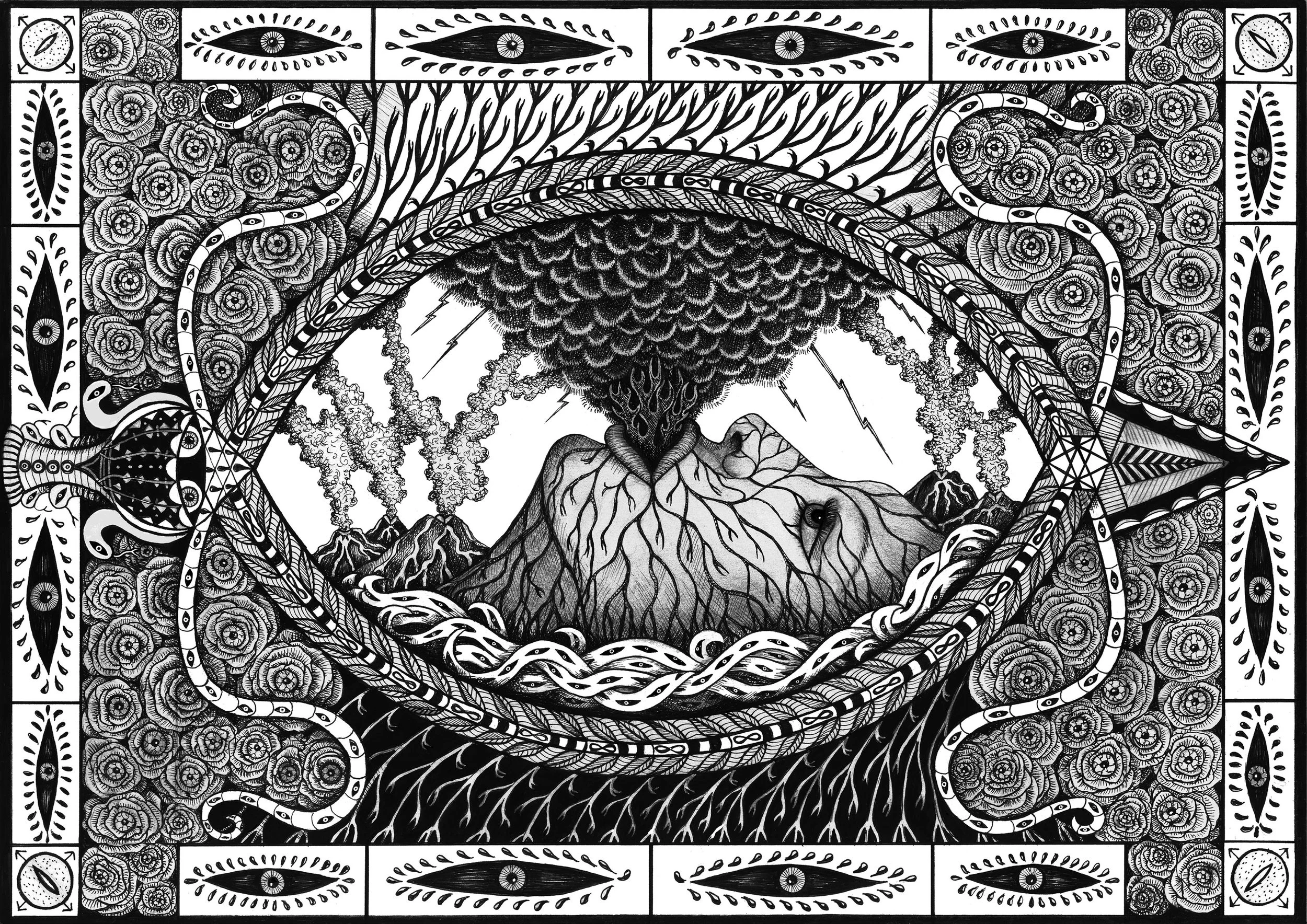
Paper Portal VII : Lava Medusa, Don’t panic, it’s volcanic 2024 The Lava Medusa takes Doug Webb’s Greenhouse Effect, Apocalypse Now or Chicken Little? (1991) as a springboard, translating ecological collapse into a visceral self-portrait as erupting terrain. The central volcano range is Gilbert’s own profile, a mountainous side-view of her face whose single open mouth becomes the crater, spewing ash, smoke, and fire so that breath itself appears as lava and plume. Framed within a vesica of roses, thorns, serpents, and vigilant eyes, the scene reads as both planetary convulsion and intimate psychic rupture.The portal is sonically animated with musician Gil De Ray through frequencies linked to Venus, Mars, Saturn, the Schumann resonance, throat and root centres, alongside Tesla-coded tones of balance and release. The soundtrack feels like velvet, oozing and charged with volcanic rage, grief, and revenge. Screams, low rumbles, and molten surges generate a field where fire, ash, air, and earth collide.Within Gilbert’s wider cosmology of wounds and thresholds, Lava Medusa casts the volcanic face as a mythic engine processing climate crisis, patriarchal violence, and long-silenced speech. The work invites viewers into the blast radius of feeling, where speaking light risk eruption, and where what finally breaks open scorches the earth beneath, the resulting fertile volcanic soil ushers in new creation.
info
/
1
2
3
4
5
6
7
·
·
·
·
·
·
·