The Game of Life: text by Isabel de Vasconcellos


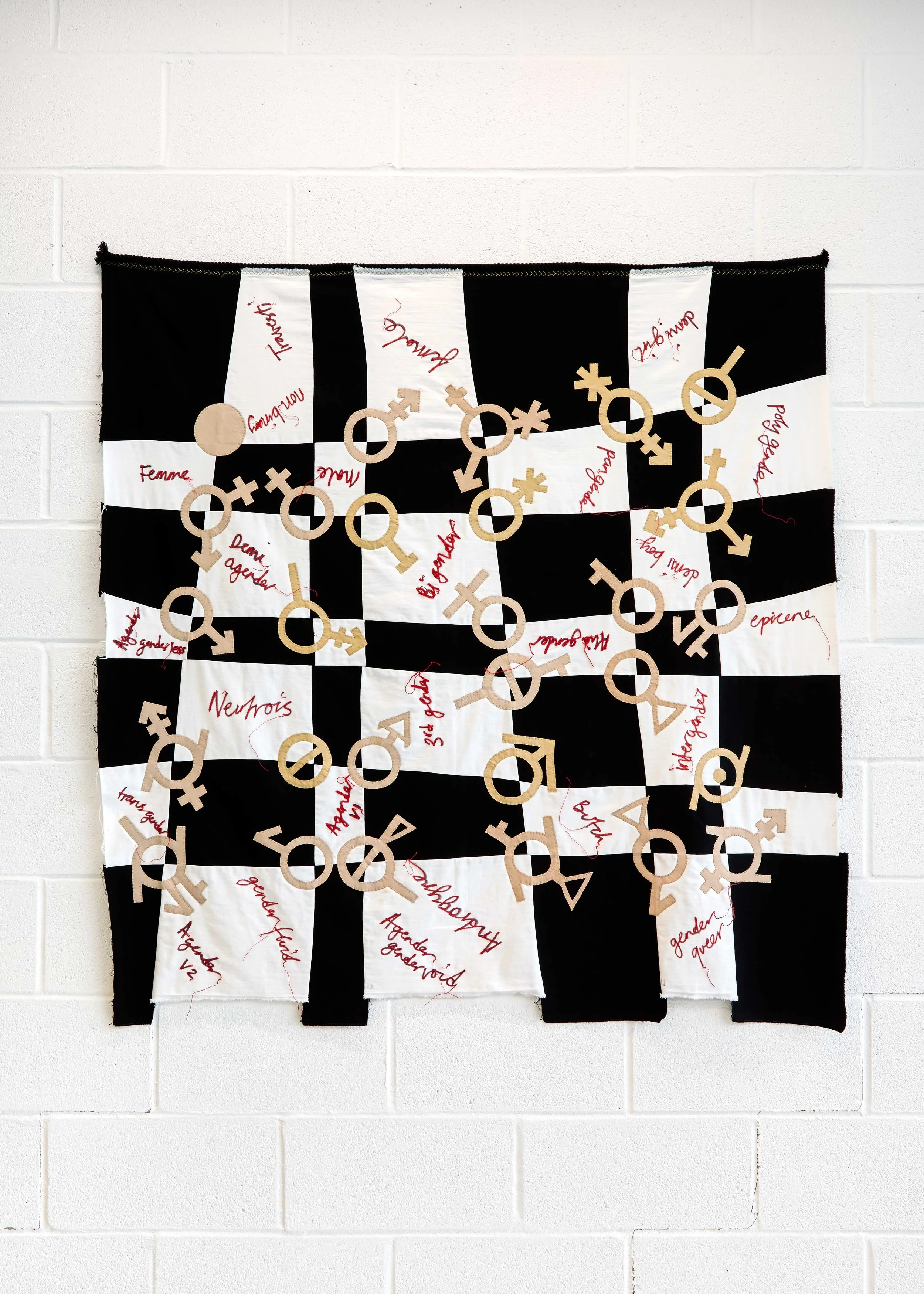
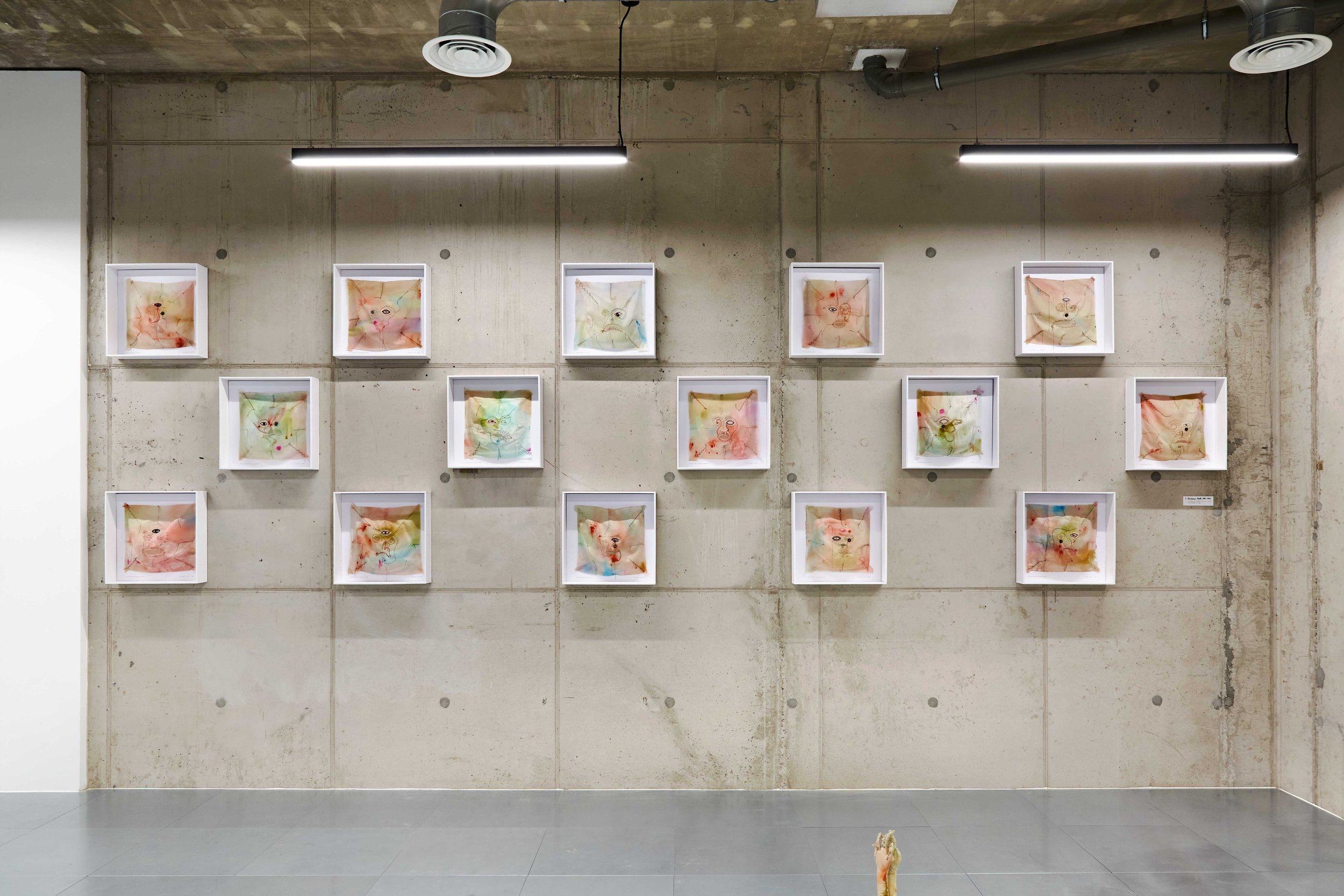


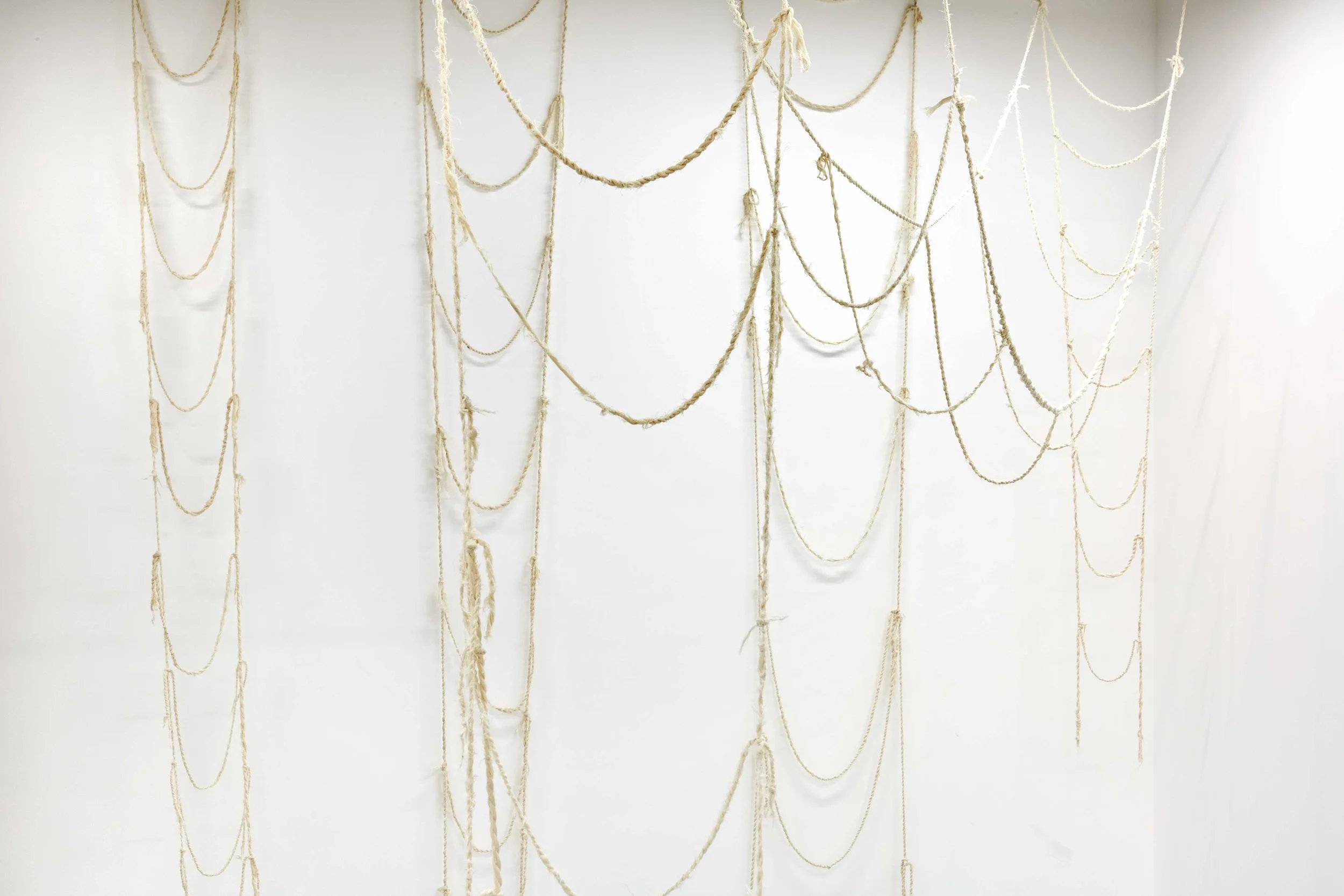


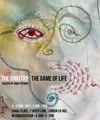
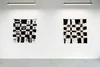
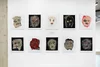
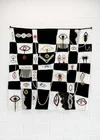
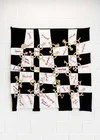
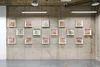
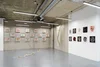
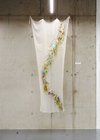
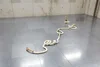
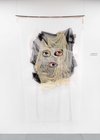
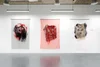
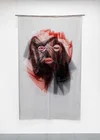
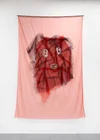
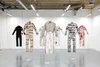
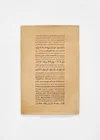
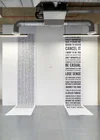
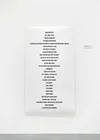
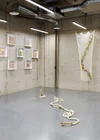
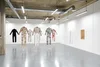
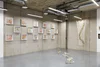
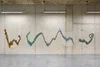
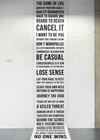
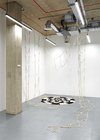
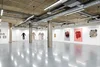
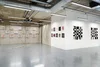
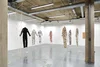
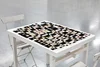
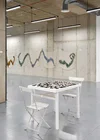
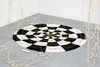
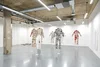
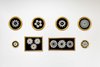
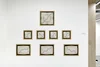
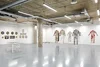
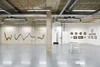
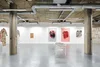
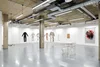
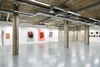
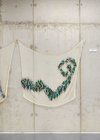
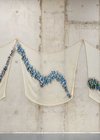
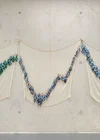
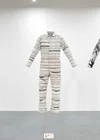
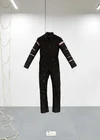
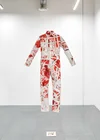
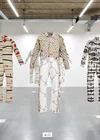
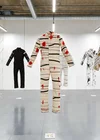
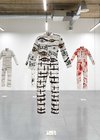
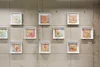
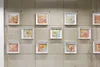
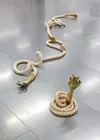
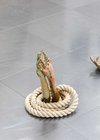
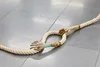
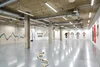
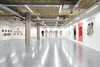
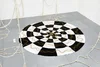
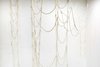
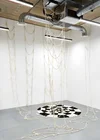
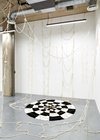
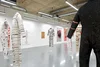
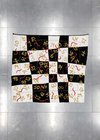
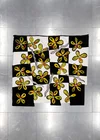
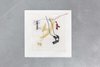
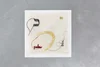
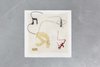
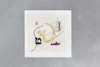
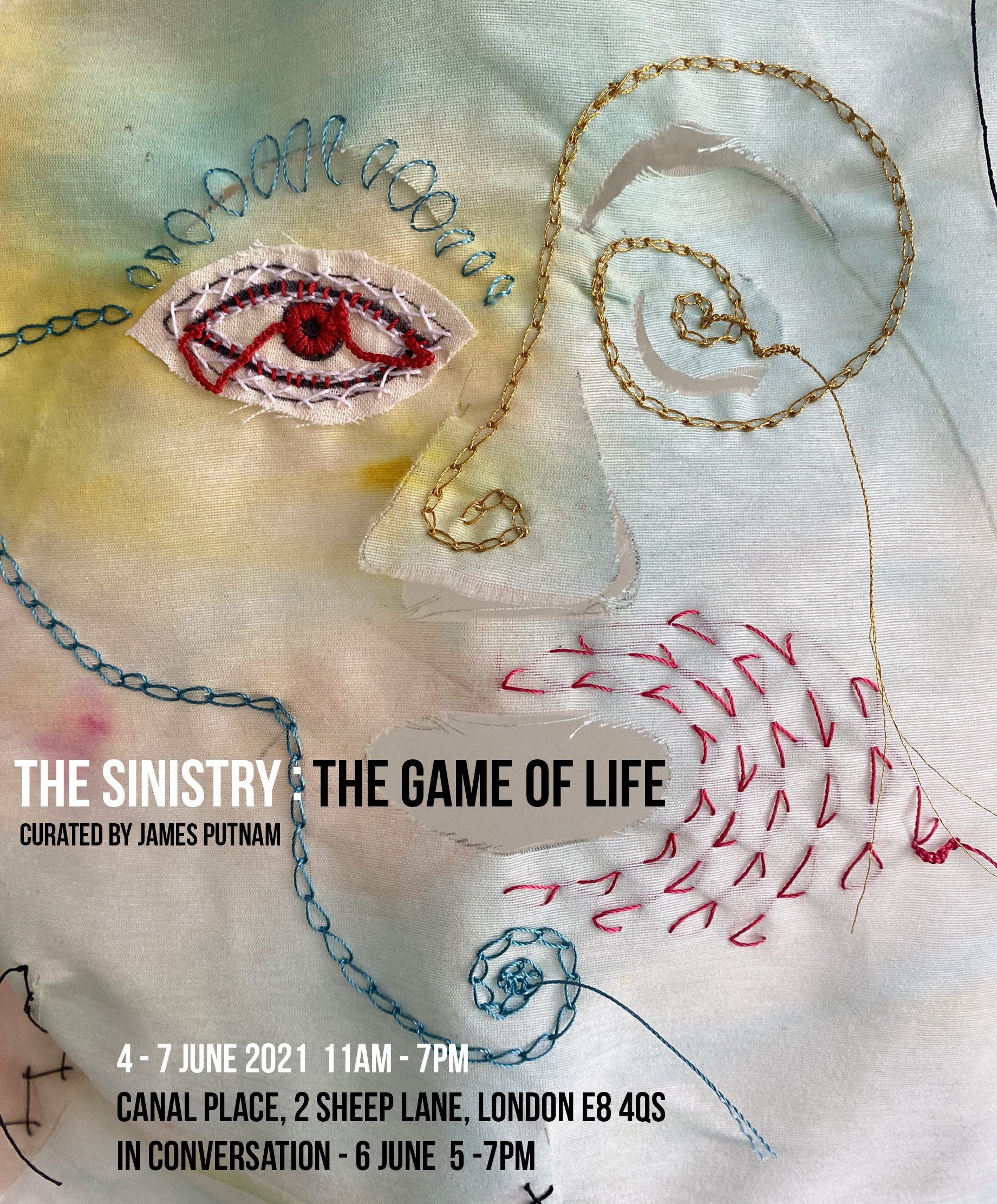
The Game of Life: text by Isabel de VasconcellosBoth graduates of Central St Martin’s, Gilbert had already established a practice spanning the worlds of art, fashion and music when she met Ers, then Creative Director of Hockley, whilst DJing at a party. Immediately recognising that their sensibilities and skills complemented each other in interesting and often counter-intuitive ways, their conversations opened up an experiment in cross-disciplinary collaboration exploring the Jungian conception of the contrasexual (the portion of the individual’s psyche having characteristics of the opposite gender) and the syzygy (the archetypal pairing of contrasexual opposites). Enacting the conditions for Jung’s postulated “communication of the conscious and unconscious minds, the conjunction of two organisms without the loss of identity", their partnership initially bore fruit in a manifesto celebrating duality and freedom. Painted, stitched and materialised in their Liberation Suits, their work was first exhibited in Istanbul in 2017.Building on this success, The Sinistry have evolved their hybrid practice to produce a series of works exploring symbolic language and the age-old interplay of pattern and meaning. From textiles and sculpture to works on paper, these pieces work individually, and cumulatively in the form of immersive installations, united by a sense of beauty and immanence, and a commitment to the craft and making as ritual and revelation. Their approach also has echoes of surrealism – itself deeply imbued in Jungian lore – drawing on the same common reserve of creative intuition as the Exquisite Corpse, the collaborative drawing technique celebrated by André Breton and his contemporaries. In the case of Gilbert and Ers, the act of making does not involve concealment or chance, but centres around a process of creative control ceded and reclaimed, a system of tacit permissions where the work of art unfolds out of a fusion of mystery and trust.The work is rooted in a mercurial, celebratory playfulness and fascination with the intricate mythologies and layered meanings behind letters, numbers and glyphs: slippery carriers of so much shifting promise and enlightenment. Their new sculptures and textile works, exhibited for the first time at Canal Place E8, enact a visual hermeneutics encompassing Roman, Hebrew, Hindi, cuneiform, runic alphabets and the artists’ private symbologies drawn from their identities (man/ woman, queer, British, Turkish, Shamanic, Jewish) and hermetic practices. Juxtaposed on masks, hands, eyes, snakes and scales, a deeper potency is activated, setting off new meanings, revealing their inherent instability whilst concurrently calling on the mind to chase, associate and make sense. The Sinistry bear witness to the protean potential of signifiers and embrace the chaos unleashed by the irresistible quest to “crack the code” of life, presenting the absurd and poignant search for certainty as a series of games with fugitive and arcane rules. Their take on the childhood favourite, Snakes and Ladders, plays on its origins in ancient India as instruments of Jain and Hindu metaphysics conveying circular notions of karma, and later recast in the starker and more binary terms of Victorian morality. In What’s Your Agender, they lay out the symbols of 40 of the currently recognised genders at the junctions of the squares, presenting our understanding of identity as a live and contested ground and inviting us to ask where we place ourselves in this evolving cosmology. The (No)Shame and the See-Hear-Speak-No-Evil Masks are the exploration of a “quantum psyche”, and the notion that identity is not a fixed point but rather a multitude of concurrent fragments that are constantly in flux, responding to physical, emotional and intuitive senses, reflecting the Manifesto’s avowal “I want to be you, without you I couldn’t be me”.The (No)Shame works evoke masks as instruments of control rather than the licentiousness with which they are so often associated. They draw on medieval shame masks, metal instruments of punishment and torture – often with internal spikes and other features identifying the cause of the wearer’s disgrace – locked over the faces of those accused of slander, gluttony and other forms of anti-social behaviour. Wearers of these devices were then paraded or parked in public as an act of humiliation and a warning to others. Public shaming is still very much alive in the 21st century, but here the forum has largely shifted online, where a panoply of stigmas force so many to retreat behind façades, whether as forms of protection, camouflage or embellishment. The sense of not being enough stalks humanity more than ever, and the (No)Shame Masks also bring to mind the cosmetic treatments that women in particular – still internalising a sense of rebuke that forever tells them they will never be beautiful or young enough – cast over their faces in increasingly fruitless attempts to rise to and anticipate reproach. Although they share a studio, Ers and Gilbert’s iterative way of creating proved particularly suited to last year’s lockdown restrictions, as each could work on a piece, then pass it to the other and back again until it was complete. During this time of isolation and silence, both artists experienced an amplified sense of how much the defaults of pre-pandemic life were set to favour a sense of resignation and complicity with the status quo. Observing Black Lives Matter and other protests that sounded against the silence of isolation, they became more aware of their own agency in what they as artists elect to ignore and can instead choose to represent. The See-Hear-Speak-No-Evil Masks came out of a growing awareness that what can often be seen as tact, or a spiritual refusal to dwell on evil or negative thoughts, can also be an abdication of responsibility.Described by the artists as “portals for active seeing”, the cosmic eyes in The Audience pick up on this intimation of agency and exhort the viewer to reclaim the act of looking from the burgeoning encroachment of surveillance and passive consumption, towards a more deliberate and personal engagement with the world around us. Together with mouths and ears, they reappear as motifs in the Dowry works, drawn and embroidered onto a collection of that most genteel of family legacies, the lace doily. Originally bequeathed to friends of the artists, these relics have been given new purpose as frames through which to reconnect to more analogue and intuitive modes of communication, and speak to The Sinistry’s active engagement with ritual, myth and altered states. The resonance of material and needlework handed down generations speaks powerfully too in the DNA Placemats, with the table settings for family meals where values and world views meet across the generations, become a canvas for The Sinistry’s contemporary provocations from the Game of Life Manifesto. That should start a conversation or two.The manifestos weave their way through the exhibition, as a thread in cuneiform, laser cut onto vegtan leather; in the hands in Tug of War; and snaking through the veils in Hands of Mercy. Pointing not only to hands as means of communication, they invoke Stan Tenen’s theories of archetypical hand gestures being the very source of the Hebrew alphabet, and a bridge to ancient practices hidden or altogether lost.The alchemical palette (black, white, red, gold and silver) of Manifesto I’s Liberation Suits is broadened in The Game of Life to accommodate the colours of the Tree of Life, reflecting Ers and Gilbert’s explorations of Kabbalah and other uses of colour in healing as well as the broadening spectrum of gender identity. The snake and its eye is a recurring motif, not only as a symbol of wisdom, but in The Cosmic Serpent from the ancient Egyptian board game inspired by the snake-god Mehen (associated with the ouroboros), the rules of which have also been forgotten. As with so much in the show, they turn the onus back on the viewer, to decipher and determine rules of their own. Alongside a soundscape from acclaimed composer Colin Ross Waterson, exploring an experiential dialogue with space and the work, The Game of Life presents a series of cryptic clues and symbolic pathways. Employing the masks and other esoteric precepts, the artists invite you to map out your individual journey through their work, guiding you through symbologies and cryptic clues in a satirical, psychoanalytical and spiritual quest for enlightenment, confusion and back again.Curated by James Putnam, the exhibition will be at Canal Place, 2 Sheep Lane, London E8 4QS, 4 - 7 June 2021.
info
/
1
2
3
4
5
6
7
8
9
10
11
12
13
14
15
16
17
18
19
20
21
22
23
24
25
26
27
28
29
30
31
32
33
34
35
36
37
38
39
40
41
42
43
44
45
46
47
48
49
50
51
52
53
54
55
56
57
58
59
60
61
62
63
64
65
66
67
68
69
70
71
72
73
·
·
·
·
·
·
·
·
·
·
·
·
·
·
·
·
·
·
·
·
·
·
·
·
·
·
·
·
·
·
·
·
·
·
·
·
·
·
·
·
·
·
·
·
·
·
·
·
·
·
·
·
·
·
·
·
·
·
·
·
·
·
·
·
·
·
·
·
·
·
·
·
·